





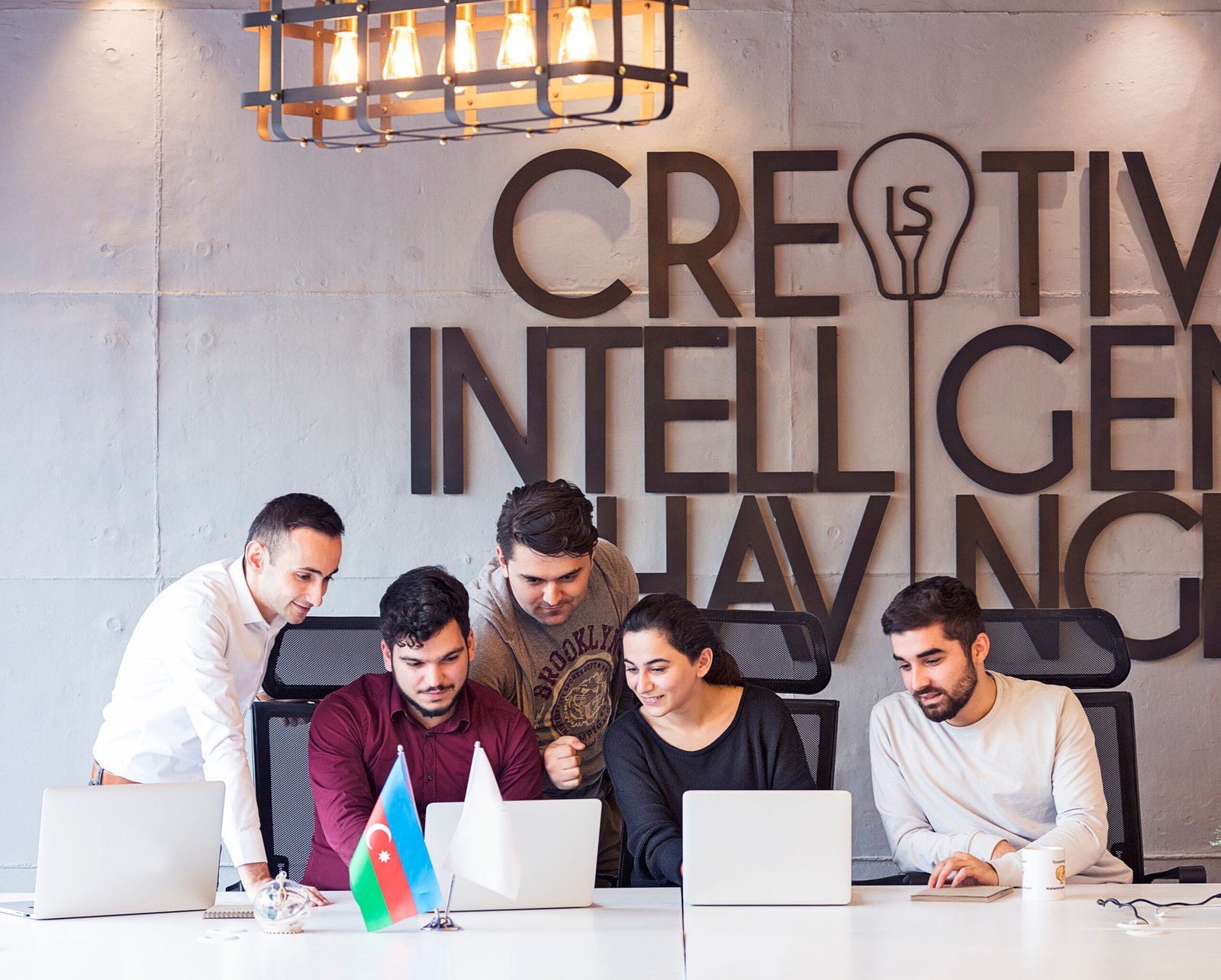

Tiimatuvat have become an increasingly important concept in today’s collaborative work culture, especially as organizations move away from rigid office structures toward more flexible, human-centered environments. The term tiimatuvat generally refers to shared team spaces designed to encourage cooperation, idea exchange, and collective problem-solving. Unlike traditional offices or meeting rooms, tiimatuvat are intentionally designed to support teamwork, communication, and creativity, making them a vital element in modern workplaces, educational institutions, and community-driven projects. As teams grow more diverse and tasks become more complex, the role of tiimatuvat in shaping effective collaboration has become more relevant than ever.
What Are Tiimatuvat and Why They Matter
Tiimatuvat are shared environments where team members can gather to work together, discuss ideas, and develop solutions in a comfortable and engaging setting. These spaces are not just physical rooms but represent a mindset focused on openness, interaction, and shared responsibility. Tiimatuvat matter because they reduce barriers between individuals, encourage spontaneous conversations, and create a sense of belonging within a team. When people feel comfortable sharing ideas and feedback, productivity improves naturally, and teams are more likely to innovate and adapt to change.
The Role of Tiimatuvat in Team Collaboration
One of the most significant benefits of tiimatuvat is their impact on collaboration. By providing a shared space, tiimatuvat make it easier for team members to communicate face-to-face, brainstorm collectively, and resolve challenges quickly. These environments support both structured teamwork, such as project planning sessions, and unstructured interactions, like informal discussions that often lead to creative breakthroughs. Tiimatuvat help teams align their goals, understand each other’s strengths, and work together more efficiently, creating a strong foundation for long-term success.
Design and Structure of Effective Tiimatuvat
The design of tiimatuvat plays a crucial role in how effective they are. A well-designed tiimatuvat space balances comfort, functionality, and flexibility, allowing teams to adapt the environment to different tasks and working styles. Elements such as modular furniture, open layouts, whiteboards, digital collaboration tools, and natural lighting contribute to a productive atmosphere. The structure of tiimatuvat should encourage movement and interaction while also providing areas for focused work, ensuring that team members can collaborate without sacrificing concentration.
Tiimatuvat and Workplace Culture
Tiimatuvat are more than just physical spaces; they actively shape workplace culture. When organizations invest in tiimatuvat, they send a clear message that teamwork, communication, and employee well-being are valued. These shared spaces promote transparency, trust, and equality, as team members work side by side rather than in isolated offices. Over time, tiimatuvat help create a culture where collaboration feels natural, leadership becomes more accessible, and individuals feel empowered to contribute their ideas openly.
Benefits of Tiimatuvat for Productivity and Innovation
Productivity and innovation thrive in environments where people feel connected and supported, and tiimatuvat provide exactly that. By reducing unnecessary formalities and encouraging real-time interaction, tiimatuvat speed up decision-making and problem-solving processes. Teams working in tiimatuvat often report higher motivation, improved morale, and stronger engagement with their tasks. Innovation also benefits, as diverse perspectives come together in one space, leading to creative solutions that might not emerge in isolated working conditions.
Tiimatuvat in Education and Learning Environments
Beyond workplaces, tiimatuvat are increasingly used in educational and training settings. In schools, universities, and learning centers, tiimatuvat support collaborative learning by allowing students to work together on projects, share knowledge, and develop critical thinking skills. These spaces encourage active participation rather than passive learning, helping learners build communication and teamwork abilities that are essential in professional life. Tiimatuvat in education create a bridge between theory and practice, preparing individuals for real-world collaboration.
Challenges and Considerations When Using Tiimatuvat
While tiimatuvat offer many advantages, they also come with challenges that must be carefully managed. Noise levels, distractions, and differing work preferences can affect how comfortable individuals feel in shared spaces. To address these issues, organizations should establish clear guidelines for using tiimatuvat and provide alternative spaces for quiet or focused work. Successful tiimatuvat balance openness with respect for individual needs, ensuring that everyone can benefit from the collaborative environment.
The Future of Tiimatuvat
As remote and hybrid work models continue to evolve, the concept of tiimatuvat is also expanding. Future tiimatuvat may combine physical and digital elements, allowing in-person and remote team members to collaborate seamlessly. Technology will play a larger role, with smart tools enabling virtual brainstorming, real-time collaboration, and flexible scheduling. Despite these changes, the core purpose of tiimatuvat will remain the same: bringing people together to work more effectively, creatively, and meaningfully.
Conclusion
Tiimatuvat represent a powerful shift in how teams work, learn, and connect with one another. By focusing on shared spaces that encourage collaboration, communication, and creativity, tiimatuvat help organizations and institutions build stronger, more resilient teams. When thoughtfully designed and supported by a collaborative culture, tiimatuvat can significantly enhance productivity, innovation, and overall satisfaction. As the nature of work and learning continues to change, tiimatuvat will remain a key element in shaping successful and forward-thinking environments.
Frequently Asked Questions (FAQ)
What does the term tiimatuvat mean?
Tiimatuvat refers to shared team spaces designed to support collaboration, communication, and collective work. It emphasizes teamwork and openness rather than individual or isolated working arrangements.
Are tiimatuvat suitable for all types of teams?
Tiimatuvat can benefit many types of teams, especially those that rely on collaboration and creativity. However, they work best when combined with quiet spaces for tasks that require deep focus.
How do tiimatuvat improve productivity?
Tiimatuvat improve productivity by reducing communication barriers, enabling faster decision-making, and encouraging real-time collaboration among team members.
Can tiimatuvat be used in remote or hybrid work models?
Yes, modern tiimatuvat can integrate digital tools that allow remote team members to participate, making them suitable for hybrid and flexible work arrangements.
What should be considered when creating tiimatuvat?
Key considerations include space design, noise management, flexibility, technology integration, and clear guidelines to ensure that all team members feel comfortable and supported.