





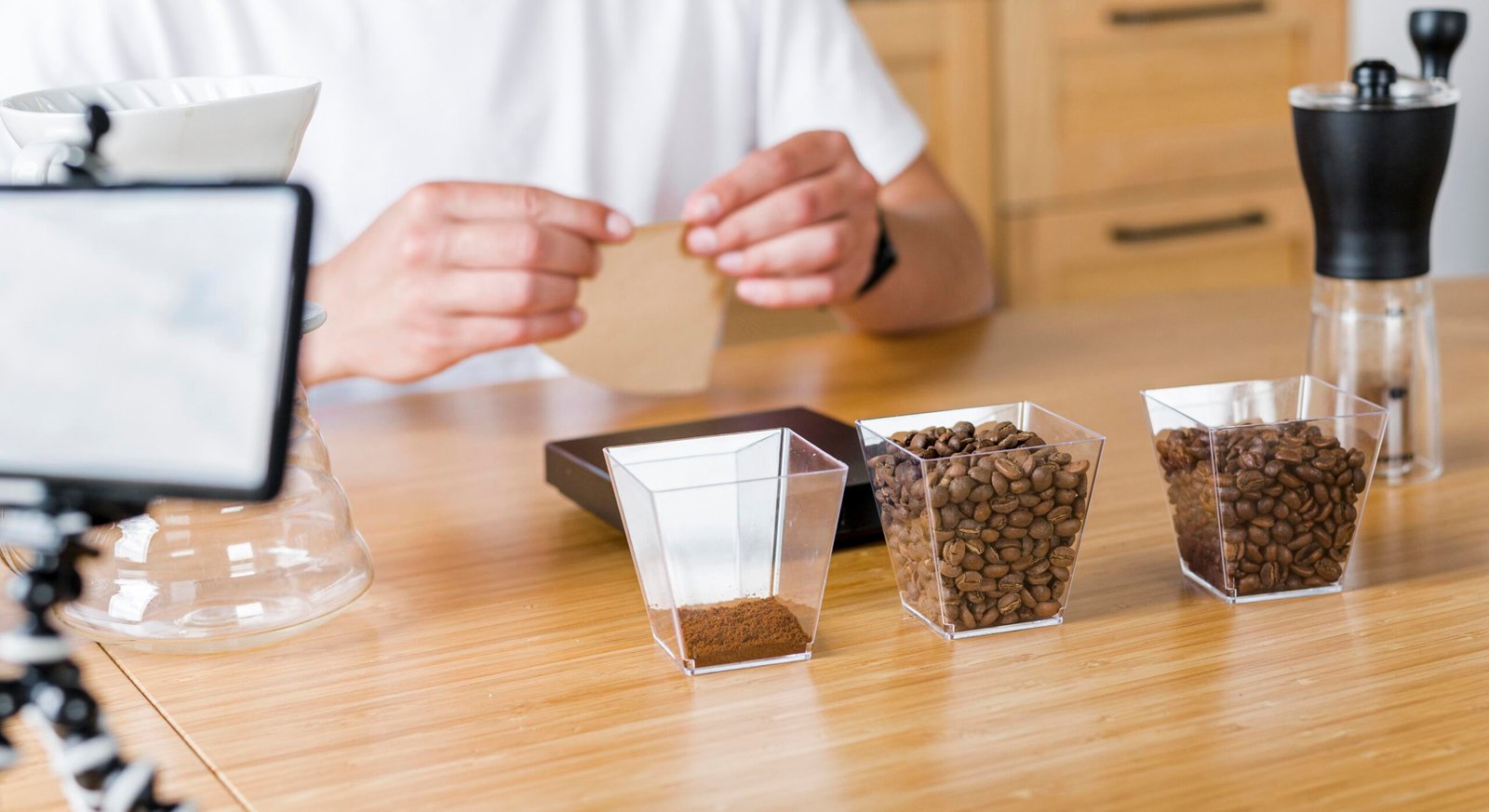

Measuring ingredients accurately is a cornerstone of successful cooking and baking. Recipes often require precision, and misunderstanding measurements can dramatically affect the outcome of your dish. One common question that arises in kitchens worldwide is how to convert 500 grams into cups. While grams measure weight and cups measure volume, the conversion is not straightforward because it depends on the ingredient being measured. Understanding this relationship between grams and cups is essential for anyone who wants to achieve consistent results in the kitchen. In this article, we will explore what 500 g cups mean, how to convert grams to cups for different ingredients, tips for precise measurement, and practical uses in cooking and baking.
What Does 500 g Cups Mean?
The term “500 g cups” is often encountered when following recipes or trying to adapt them for different units of measurement. Grams (g) are a unit of weight used in the metric system, while cups are a volume measurement used mainly in the United States and some other countries. Because grams measure weight and cups measure volume, the conversion depends entirely on the density of the ingredient. For example, 500 grams of flour will occupy more space than 500 grams of sugar because flour is less dense. This distinction is important because blindly converting grams to cups without considering the ingredient can lead to inaccurate measurements and ultimately affect the texture, taste, and consistency of your recipes.
How to Convert 500 Grams to Cups for Common Ingredients
Converting 500 grams to cups is not a one-size-fits-all process. Each ingredient has a different density, meaning the volume will vary. For instance, 500 grams of all-purpose flour is approximately 4 cups, while 500 grams of granulated sugar is closer to 2.5 cups. Similarly, 500 grams of butter is roughly 2 cups, and 500 grams of rice equals about 2.5 cups. This variation is crucial in baking, where precision is key. To convert grams to cups accurately, you can either use a conversion chart specific to the ingredient or weigh the ingredient on a kitchen scale. Using a scale is the most reliable method because it eliminates the uncertainty caused by variations in ingredient density and packing.
Why Accurate Measurement Matters
Accurate measurement of ingredients is vital in both cooking and baking. Baking, in particular, is a science that relies on the perfect balance of dry and wet ingredients. Using too much or too little of an ingredient can alter the texture, taste, and appearance of baked goods. For instance, too much flour in a cake recipe can result in a dry, dense cake, while too little sugar may make cookies flat and less flavorful. Measuring 500 g in cups incorrectly can lead to similar inconsistencies. Therefore, understanding ingredient-specific conversions and investing in a good kitchen scale can save you from costly mistakes and help you achieve professional-quality results every time.
Practical Uses of 500 g Cups in Everyday Cooking
Knowing how to measure 500 grams in cups is useful for a wide range of culinary applications. Whether you are preparing a large batch of dough, making sauces, or cooking grains like rice or quinoa, converting grams to cups allows you to follow recipes that use different measurement systems. Many online recipes list ingredients in grams, but home cooks in the United States often prefer cups. Being able to accurately convert 500 grams into cups ensures that you can adapt any recipe to your kitchen tools and personal preferences without sacrificing quality. Furthermore, it allows you to scale recipes up or down with confidence, maintaining the correct proportions and achieving consistent results.
Tips for Accurate Measurement
To ensure precise measurement when converting 500 grams to cups, follow these practical tips:
-
Use a Kitchen Scale: The most accurate way to measure ingredients is by weight. A digital scale eliminates the guesswork involved in volume measurement.
-
Understand Ingredient Density: Check conversion charts for specific ingredients, as one cup of flour does not equal one cup of sugar.
-
Level Your Cups: When measuring by volume, scoop ingredients lightly and level them with a straight edge to avoid overpacking.
-
Consider Moisture Content: Ingredients like brown sugar or grated cheese may have varying moisture levels, affecting their weight-to-volume ratio.
Conclusion
Understanding 500 g cups is more than just a conversion exercise—it is about improving precision in cooking and baking. While cups measure volume and grams measure weight, being aware of ingredient density and using accurate measurement techniques can significantly improve your culinary results. Whether you are an experienced baker or a home cook, learning how to convert 500 grams into cups allows you to follow any recipe confidently and ensures that your dishes turn out exactly as intended. Accurate measurement is the key to consistent flavor, texture, and overall quality in all your cooking endeavors.
Frequently Asked Questions
Q1: How many cups are in 500 grams of flour?
A: Approximately 4 cups of all-purpose flour, though this may vary slightly depending on how the flour is scooped and its moisture content.
Q2: Can I use cups instead of grams in baking?
A: Yes, but it is less precise. Baking works best when ingredients are measured by weight using a kitchen scale.
Q3: How do I convert 500 grams to cups for sugar?
A: For granulated sugar, 500 grams is roughly 2.5 cups. Always level your cups for accuracy.
Q4: Does the type of ingredient affect the grams-to-cups conversion?
A: Absolutely. Different ingredients have different densities, so 500 grams of flour, sugar, butter, or rice will all convert to different cup measurements.
Q5: Is there a universal formula for grams to cups?
A: No universal formula exists because grams measure weight and cups measure volume, so conversions must be ingredient-specific.