





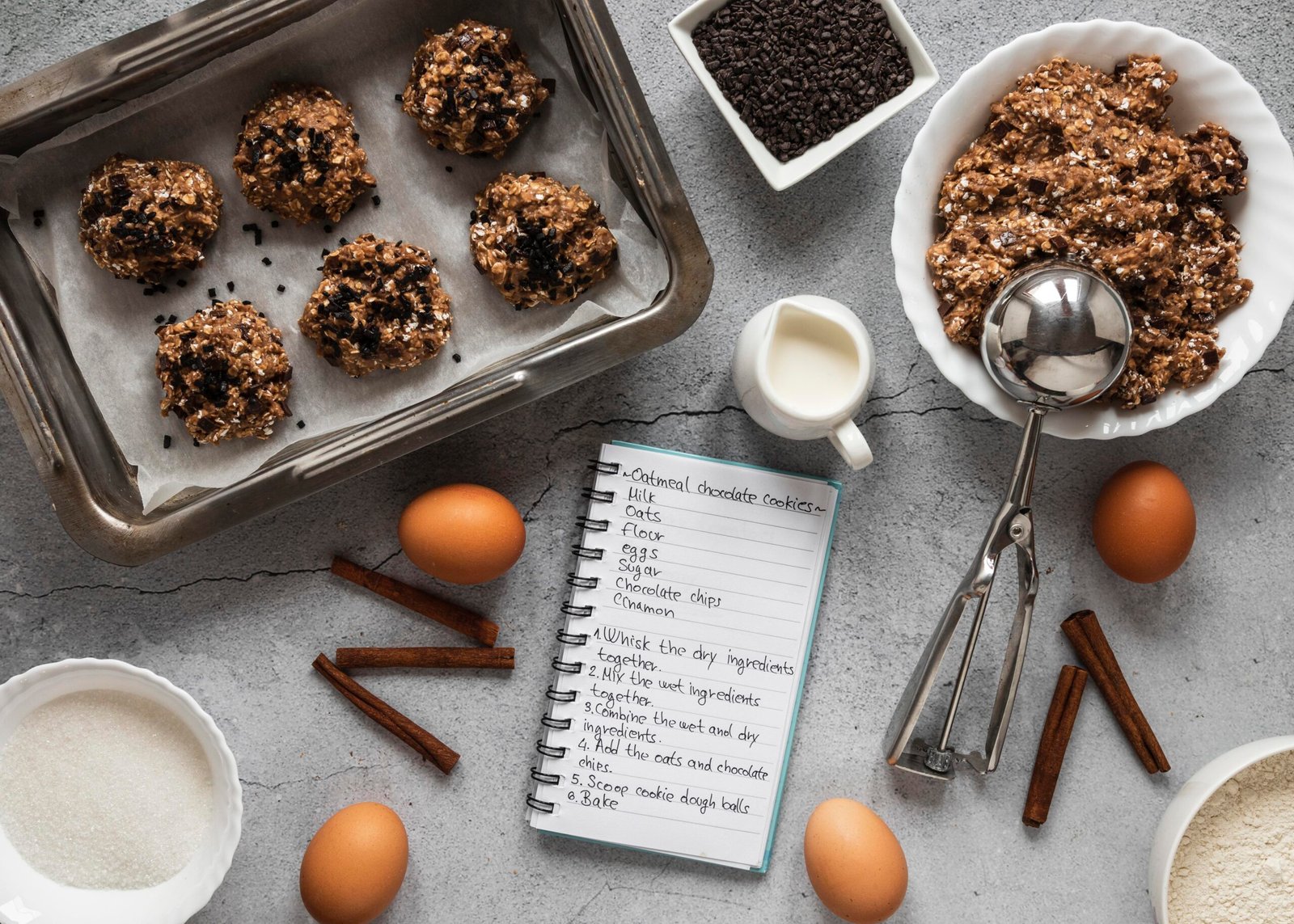

Accurate measurements are essential in cooking and baking, where even a small difference can change the outcome of a recipe. Among the most commonly used measurements are cups, and understanding fractions of a cup is vital for achieving perfect results. Many people often get confused when they need to measure half of a cup or three-quarters of a cup, especially when adapting recipes or working with limited measuring tools. In this article, we will explore what half of a cup and three-quarters of a cup mean, how to measure them accurately, convert them into other units, and provide tips to simplify your cooking and baking experience. By the end, you will have a complete understanding of these common measurements, making your culinary efforts more precise and consistent.
Understanding Half of a Cup
A standard cup measurement in cooking is equal to 8 fluid ounces in the United States. Therefore, half of a cup is exactly 4 fluid ounces. This simple mathematical division is crucial in baking, where even slight variations in ingredient amounts can affect the texture, taste, and overall success of your recipe. For example, when measuring dry ingredients like flour or sugar, it is important to use a proper measuring cup rather than an estimation, as half a cup of flour can weigh differently depending on how it is scooped or packed. Understanding half a cup also helps when scaling recipes up or down, such as halving a recipe for two servings or adjusting quantities to fit a different baking pan size. Beyond baking, half a cup is a standard measure in many beverages, sauces, and salad dressings, making it a versatile and essential kitchen measurement.
Understanding 3/4 of a Cup
Three-quarters of a cup, written as 3/4 cup, equals 6 fluid ounces. This measurement is slightly less than a full cup but significantly more than half a cup, making it a common quantity in recipes that require a moderate amount of ingredients. In baking, 3/4 cup is frequently used for ingredients like sugar, butter, or milk. Knowing the precise amount ensures that baked goods rise correctly and have the intended texture and flavor. Measuring 3/4 cup accurately can be done with a 1/4 cup measuring tool used three times or with a dedicated 3/4 cup measure, which simplifies the process. For dry ingredients, it’s important to level off the top of the cup with a straight edge to avoid adding extra amounts, which could disrupt the balance of a recipe. For liquids, simply pour to the 3/4 line, ensuring precision for consistent results.
Converting Half a Cup and 3/4 Cup into Other Units
Sometimes recipes use different measurement systems, such as ounces, milliliters, or grams. Understanding conversions for half a cup and 3/4 cup is extremely helpful in these situations. Half a cup is equal to 4 fluid ounces, 120 milliliters, or approximately 60 grams of sugar. Three-quarters of a cup equals 6 fluid ounces, 180 milliliters, or about 90 grams of sugar. These conversions are especially useful when following international recipes or when your measuring cups are unavailable. For accuracy, it’s important to note that dry and liquid ingredients weigh differently, so always check the ingredient type before converting. Having a small kitchen scale can simplify conversions and ensure precise measurements every time.
Tips for Measuring Half a Cup and 3/4 Cup Accurately
Accurate measurement is key to culinary success. Here are some essential tips to help you measure half a cup and 3/4 cup with confidence:
-
Use the Right Measuring Tools: Liquid measuring cups are different from dry measuring cups. Use the appropriate type to avoid errors.
-
Level Off Dry Ingredients: For ingredients like flour or cocoa powder, use a straight edge to level off the top of the cup.
-
Check Your Conversions: When working with grams or milliliters, use a conversion chart or kitchen scale to avoid mistakes.
-
Practice Consistency: Scoop and pour ingredients the same way each time for consistent results.
-
Adjust Carefully: When halving or doubling recipes, always recalculate measurements accurately to maintain flavor and texture balance.
These small steps can make a big difference, turning a potential baking disaster into a perfect success.
Conclusion
Knowing what half of a cup and 3/4 of a cup represent is more than just a mathematical exercise—it’s a fundamental skill for anyone who cooks or bakes. These measurements ensure precision, consistency, and better results in every recipe, whether you’re making a simple sauce or an elaborate dessert. By understanding how to measure accurately, convert between units, and apply practical tips, you can cook and bake with confidence. Mastery of these common measurements not only improves your culinary skills but also saves time, reduces waste, and helps create dishes that are delicious every time.
Frequently Asked Questions (FAQs)
Q1: How many tablespoons are in half a cup and 3/4 cup?
A1: There are 8 tablespoons in half a cup and 12 tablespoons in 3/4 cup. This is useful when you don’t have a cup measure on hand.
Q2: Can I estimate half a cup and 3/4 cup without a measuring cup?
A2: While estimation is possible, it is not recommended for baking, as small differences can affect the final outcome. Using proper measuring cups ensures accuracy.
Q3: Does half a cup of liquid weigh the same as half a cup of dry ingredients?
A3: No. Weight varies depending on the ingredient. For example, half a cup of flour weighs about 60 grams, while half a cup of sugar weighs about 100 grams.
Q4: How do I measure sticky ingredients like honey or syrup?
A4: Use a liquid measuring cup and lightly coat it with cooking spray or oil. This ensures the sticky ingredient pours out easily and is measured accurately.
Q5: Are these measurements the same worldwide?
A5: No. U.S. cups differ from metric cups. A U.S. cup is 240 ml, while a metric cup is 250 ml. Always check the recipe’s measurement system.