






Маријин трг, known in English as Marijin Trg or Marian Square, is a historically rich and culturally meaningful public space that reflects the layered identity of the city in which it is located. Like many European squares, Marijin Trg serves not only as a geographical center but also as a symbolic heart where religion, civic life, tradition, and modern urban activity intersect. Over time, the square has evolved from a modest gathering place into an important urban landmark that holds deep historical memory while continuing to function as a living, dynamic part of everyday city life. Understanding Marijin Trg means exploring its origins, architectural surroundings, social role, and its continued relevance in the modern era.
Historical Background of Маријин трг
The history of Маријин трг is closely tied to the broader historical development of the city and the region. Originally formed during a period when religious and civic institutions played a central role in urban planning, the square often took shape around a church, monument, or Marian symbol dedicated to the Virgin Mary. Over centuries, Marijin Trg witnessed major historical events, including political changes, cultural transformations, and social movements that shaped the local identity. Empires rose and fell, borders shifted, and populations changed, yet the square remained a constant point of reference for residents. Its historical layers are visible not only in old records but also in the surrounding buildings, paving stones, and monuments that silently preserve stories from different eras.
Religious and Symbolic Meaning of Marijin Trg
One of the defining characteristics of Маријин трг is its religious and symbolic significance, particularly its association with Marian devotion. In many Central and Southeastern European cities, squares named Marijin Trg are connected to statues, columns, or churches honoring the Virgin Mary, representing protection, faith, and spiritual continuity. These symbols often emerged during times of hardship, such as wars, plagues, or natural disasters, when communities sought divine protection and unity. As a result, Marijin Trg became more than a physical space; it turned into a spiritual landmark where religious ceremonies, processions, and collective prayers were held, reinforcing a shared sense of identity and belief among citizens.
Architectural Features Surrounding Маријин трг
The architecture surrounding Маријин трг offers a visual timeline of the city’s development. Buildings around the square typically reflect multiple architectural styles, ranging from medieval and baroque influences to neoclassical and modern designs. Churches with ornate facades, civic buildings with grand proportions, and residential structures with historical detailing all contribute to the unique character of the square. The careful arrangement of these buildings often emphasizes symmetry and openness, allowing the square to function as a focal point for both aesthetic appreciation and public use. Over time, renovations and restorations have preserved the historical integrity of Marijin Trg while adapting it to contemporary urban needs.
Social and Cultural Role of Marijin Trg
Throughout its existence, Маријин трг has played a vital role as a social and cultural gathering space. Markets, public speeches, celebrations, and festivals have long taken place in the square, making it a central venue for collective experiences. Residents gather there to socialize, tourists visit to experience local history, and artists often use the space as inspiration or performance ground. This ongoing interaction between people and place ensures that Marijin Trg remains vibrant rather than static. Its ability to host both everyday activities and significant public events highlights its importance as a shared urban living room for the community.
Маријин трг in Modern Urban Life
In the modern era, Marijin Trg continues to adapt while retaining its historical essence. Today, it often functions as a pedestrian-friendly area that balances tourism, commerce, and daily local life. Cafés, shops, and cultural institutions nearby contribute to economic activity, while careful urban planning helps preserve the square’s historical character. Modern lighting, seating, and landscaping improvements have enhanced accessibility and comfort without compromising authenticity. As cities evolve, Marijin Trg stands as an example of how historic public spaces can remain relevant and functional in contemporary urban environments.
Tourism and Educational Importance of Marijin Trg
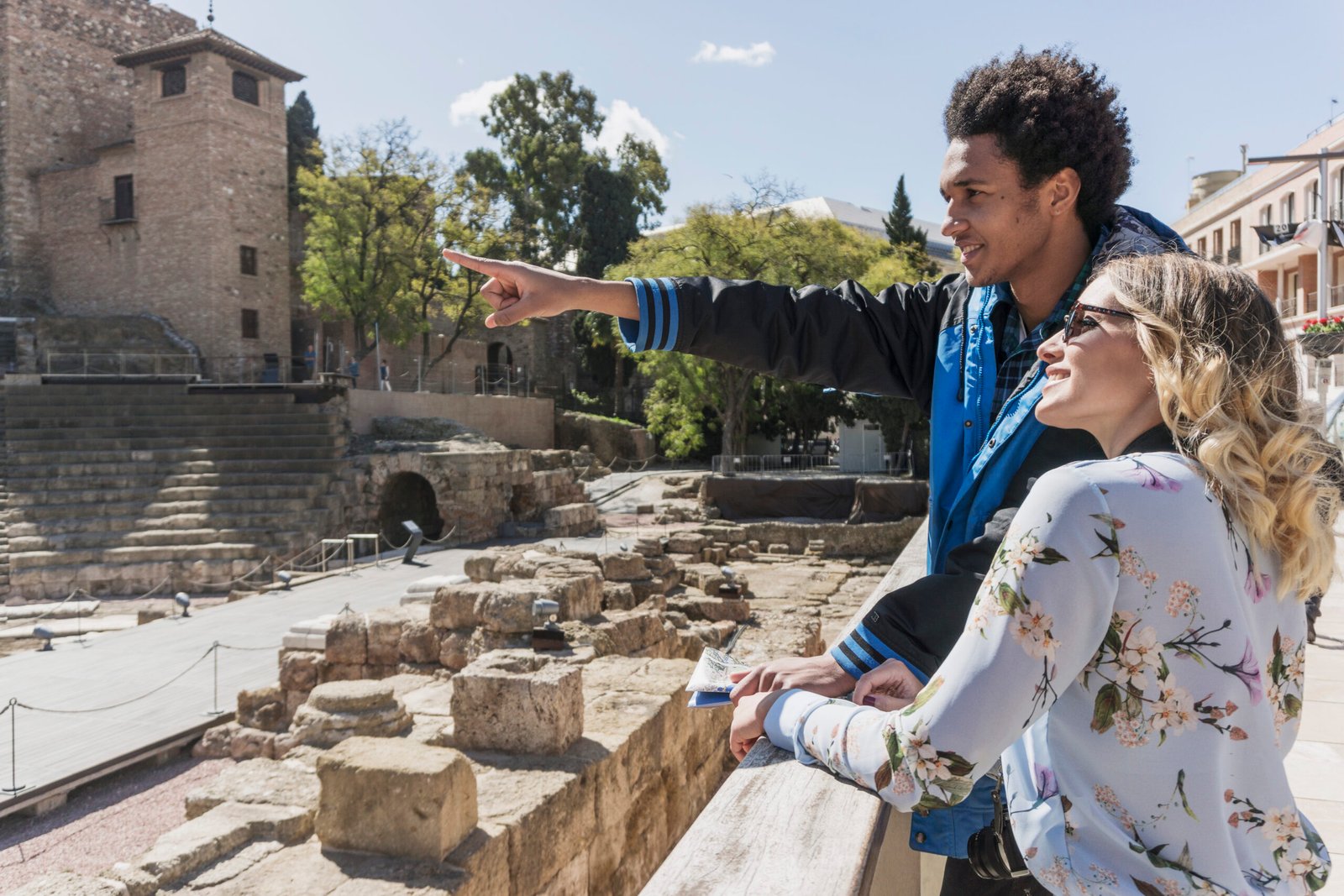
From a tourism and educational perspective, Маријин трг serves as an entry point into the city’s history and cultural heritage. Guided tours often begin or pass through the square, using it as a storytelling space where historical narratives come to life. Schools and universities may also use the square as an open-air classroom, teaching students about architecture, history, religion, and urban development. For visitors, Marijin Trg offers an authentic experience that connects them directly to the local culture, making it more than just a sightseeing location.
Conclusion: The Lasting Legacy of Маријин трг
In conclusion, Маријин трг is far more than a simple public square; it is a living symbol of history, faith, architecture, and community life. Its ability to preserve the past while embracing the present makes it a powerful example of sustainable cultural heritage. Whether viewed through a historical, religious, architectural, or social lens, Marijin Trg continues to hold deep significance for residents and visitors alike. As cities move forward, the enduring presence of spaces like Marijin Trg reminds us of the importance of shared public places in shaping collective identity and memory.
Frequently Asked Questions (FAQ) About Маријин трг
What does Маријин трг mean in English?
Маријин трг translates to Marijin Trg or Marian Square in English, typically referring to a public square associated with the Virgin Mary or Marian devotion.
Why is Marijin Trg historically important?
Marijin Trg is historically important because it has served as a central gathering place for religious, social, and civic activities over many centuries, reflecting the city’s cultural and historical development.
Is Маријин трг mainly a religious site?
While Marijin Trg often has strong religious symbolism, it is not exclusively a religious site. It also functions as a social, cultural, and urban space used for public events and daily life.
What can visitors do at Marijin Trg today?
Visitors can explore historical architecture, attend cultural events, enjoy nearby cafés, participate in guided tours, and experience the local atmosphere of the city.
Why are public squares like Маријин трг important today?
Public squares like Marijin Trg are important because they promote social interaction, preserve cultural heritage, and provide accessible spaces that strengthen community identity in modern cities.